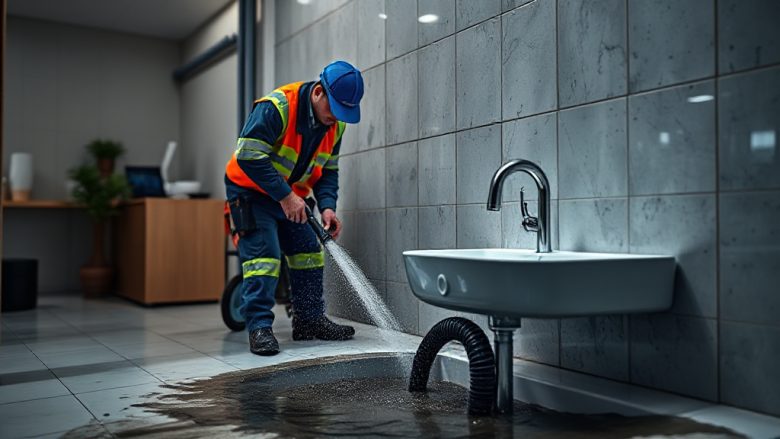
Blocked Drain or Slow Sink: What to Do First in Jardim Anália Franco
You turn on the tap and the water sits there, or the shower starts pooling around your feet. Before you panic or start searching for a plumber, there is a clear order of actions that separates a quick fix from an expensive mess. This guide walks you through that order, from the first minute you notice the problem to the moment water flows freely again, with a focus on how desentupidora Jardim Anália Franco handles these calls in the neighborhood.
I teach this process to beginners all the time, and the pattern is always the same. People either act too fast and make things worse, or they wait too long and let a small clog turn into a flooded apartment. The steps below are the ones that work.
Step One: Stop and Assess Before You Touch Anything
The first action is not plunging. It is looking. A slow drain and a fully blocked drain are different problems, and where the water backs up tells you a lot about where the clog sits.
Identify which fixtures are affected
If only one sink is slow, the blockage is likely close to that fixture. If the toilet gurgles when you run the bathroom tap, or water backs up in the shower when you flush, the problem is deeper in the branch line. When multiple drains across the apartment or house slow down at once, the main sewer line is involved, and that changes everything about how you respond.
Write down what you see. Which drains, what time, whether there is a smell, whether water rises in one place when you use another. That short list will save time for whoever comes to fix it, and it helps you avoid guessing.
Check for the obvious culprits
Before assuming the worst, rule out the simple causes. A sink stopper full of hair, a toilet that is blocked by too much paper, a floor drain with a hair catcher clogged solid. These are surface-level issues you can often clear yourself in a few minutes. If the water drains slowly even after you remove visible debris, the clog is further in.
Never pour chemical drain cleaner into a fully blocked drain. If water is not moving, the chemical sits there, can damage older pipes, and creates a hazard for anyone who works on the line later. This is one of the most common beginner mistakes, and it turns a simple job into a dangerous one.
Step Two: Decide Whether to DIY or Call a Professional
This is the fork in the road. Some clogs are genuinely DIY-friendly. Others are not, and knowing the difference protects your pipes and your wallet.
When a plunger or hand auger is enough
A standard cup plunger works well on a single blocked toilet or sink when the clog is soft and close. A hand auger, the kind with a crank and a flexible cable, can reach a few meters into a branch line and break up hair or soap scum. If you can reach the clog, feel resistance, and pull back debris, you are on the right track.
Work slowly. Forcing a plunger creates pressure that can blow apart old joints, especially in older buildings common in São Paulo neighborhoods. If you plunge for a minute and nothing changes, stop.
When it is time to call
Call for help when water backs up in multiple fixtures, when there is a sewage smell that does not go away, when you have already tried a plunger and auger without success, or when the blockage keeps returning within days. Recurring clogs almost always mean a buildup problem in the pipe itself, not a one-off object stuck in the trap.
For residents and building managers in this part of São Paulo, a desentupidora Jardim Anália Franco São Paulo SP service is set up for exactly these situations, including emergency calls at night and on weekends when a normal maintenance crew is unavailable.
What to have ready before the technician arrives
- Clear access to the affected drain and any cleanout caps.
- Move furniture, rugs, and stored items away from the area.
- Note the fixtures affected and whether the problem is constant or intermittent.
- If you live in a condominium, inform the building manager so they can coordinate access.
Having this ready cuts the job time significantly. Technicians spend a surprising amount of time waiting for access or moving things that could have been moved in advance.
Step Three: What the Professional Actually Does
Understanding the process removes the mystery and helps you judge whether the job was done properly. A good desentupimento service follows a sequence, not a single tool.
Inspection and diagnosis
The technician starts by confirming where the blockage is. They may run water at different fixtures, check cleanouts, and in some cases use a camera to look inside the pipe. This step matters because the right tool for a kitchen grease clog is not the right tool for a root intrusion in the main line.
Mechanical clearing
For most residential clogs, a motorized auger or drain snake breaks up the blockage and pulls it back. For larger lines or heavy buildup, hydro jetting uses high-pressure water to scour the pipe walls clean. This is where experience shows: too much pressure on old pipes causes damage, too little leaves the clog half-cleared and it returns in a week.
Hydro jetting is not just about clearing a hole through the clog. It removes the grease, scale, and debris lining the pipe walls, which is why it is the preferred method for recurring blockages in kitchens and commercial drains.
Verification and prevention advice
After clearing, the technician should run water through every affected fixture and confirm free flow. They should also tell you what caused the clog and what to change. If the answer is just “it was blocked” with no explanation, ask more questions. The cause determines whether you will see the same problem again next month.
For buildings with septic systems, the job may extend to desentupidora em Jardim Anália Franco São Paulo SP septic tank cleaning, because a full tank backs up into the drains and mimics a blockage. This is a common misdiagnosis, and clearing the pipe without addressing the tank wastes money.
Comparing the main clearing methods
| Method | Best for | Limitation |
|---|---|---|
| Plunger | Soft clogs close to the fixture | Cannot reach deeper than the trap |
| Hand auger | Hair and soap scum in branch lines | Limited length and power |
| Motorized auger | Most residential blockages | Can damage fragile old pipes if forced |
| Hydro jetting | Grease, scale, roots, recurring clogs | Requires proper pressure control |
Common Beginner Mistakes That Make Things Worse
Most of the expensive calls I see started with a well-intentioned mistake. Avoid these and you will save money even if you still need professional help.
- Using chemical cleaners repeatedly. They rarely clear a full blockage and they corrode pipes over time.
- Plunging a drain that has a chemical cleaner in it. This splashes caustic liquid and creates a burn hazard.
- Ignoring a slow drain for weeks. A slow drain is a warning. A blocked drain is an emergency.
- Opening a cleanout cap without knowing what is inside. Sewage under pressure can spray out.
- Hiring the cheapest quote without asking about method. A quick snake job that leaves buildup behind means you pay twice.
One more: do not flush wipes, paper towels, or food scraps and assume the toilet or sink will handle it. In older buildings, the pipe diameter and slope were not designed for modern volumes, and small habits compound into blockages.
After the Fix: Keeping Drains Clear in the Long Run
Once water flows again, a few simple habits keep it that way. Use strainers in kitchen and bathroom sinks. Never pour cooking oil down the drain; collect it and dispose of it in the trash. Run hot water through the kitchen drain for a minute after washing dishes to move grease along. In apartments, report slow drains to the building manager early, because one slow unit often signals a shared line issue.
For condominiums and commercial spaces, preventive maintenance is cheaper than emergency calls. Scheduling a periodic inspection and cleaning of main lines catches buildup before it becomes a weekend flood. This is especially true for restaurants and commercial kitchens, where grease accumulates faster than any residential drain.
If you are in Jardim Anália Franco and the water is already backing up, the practical action is simple. Stop adding water to the system, avoid chemical cleaners, and call a service that handles emergency hydraulic work. The desentupidora Jardim Anália Franco team works with these exact problems daily, and a phone call at the first sign of backup is almost always cheaper than waiting until the damage is visible.
Frequently Asked Questions
How do I know if the blockage is in my unit or the building’s main line?
If only your fixtures are slow, the clog is likely in your branch line. If water backs up in your shower when a neighbor flushes, or multiple units have the same problem, the main line is involved and the building manager should be notified immediately.
Can I use a plunger on a blocked toilet that has already overflowed?
Only after the water level drops and you have removed excess water with a bucket. Plunging an overflowing toilet spreads contaminated water. If the bowl is full, wait for it to settle or call a professional rather than risk a bigger mess.
How often should a septic tank be cleaned?
It depends on tank size and household usage, but most residential systems need cleaning every few years. If drains are slow and there is a sewage smell in the yard, the tank may be full and should be checked before assuming the pipe is blocked.
Is hydro jetting safe for older pipes?
Yes, when the pressure is adjusted to the pipe’s condition. A trained technician inspects first and chooses the pressure accordingly. The risk comes from untrained use of high pressure on fragile lines, not from the method itself.
What should I do first if water is rising in multiple drains at once?
Stop using water immediately. Do not flush toilets or run taps. Open a cleanout only if you know how, otherwise wait for the technician. Multiple rising drains point to a main line blockage, and adding more water makes the backup worse.